
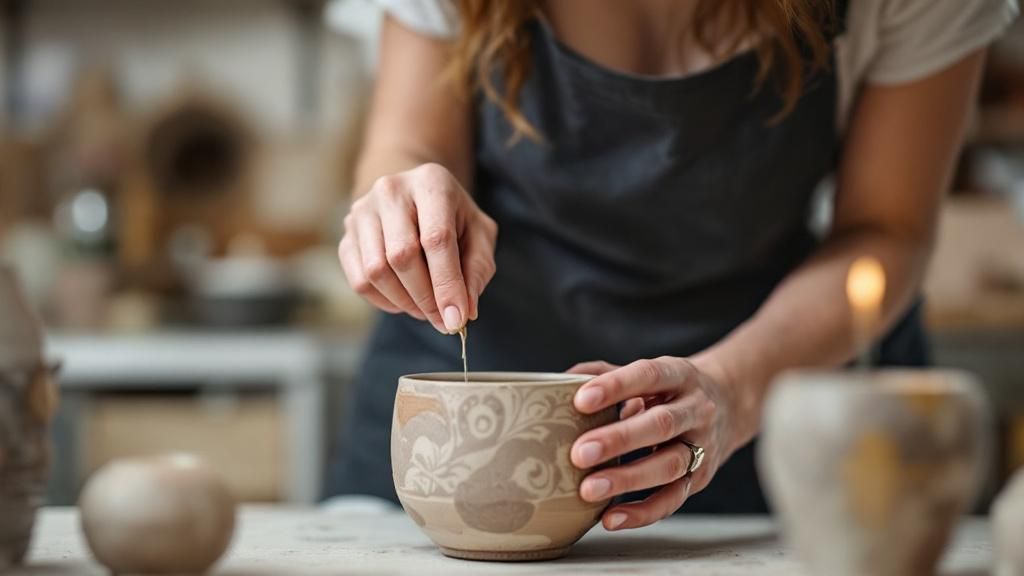
The British Crafts Council has yet again demonstrated its resolute commitment to safeguarding and advancing the nation’s rich heritage of traditional craftsmanship. This year’s celebrations of excellence in pottery and textile design showcase the exceptional abilities of modern makers who persistently perfect time-honoured techniques. From handcrafted pottery to intricately woven fabrics, these artisans represent the very best of British creative tradition, ensuring that ancient techniques remain dynamic and contemporary in modern times.
Acknowledgement of Skilled Artisans
The British Crafts Council’s regular awards event stands as a tribute to the outstanding dedication of expert craftspeople across the UK. This year’s recognition programme has highlighted artisans whose involvement with heritage pottery and textiles have been exceptionally impressive. These distinguished individuals have demonstrated exceptional skill and expertise, imaginative flair, and an unwavering commitment to maintaining traditional crafts. Their work embodies the finest levels of quality within their individual specialisms, inspiring both peers and emerging practitioners alike.
Among the honoured craftspeople are potters whose hand-thrown vessels showcase exceptional craftsmanship and aesthetic refinement. These artisans utilise traditional wheel-throwing techniques whilst incorporating modern design principles. Their ceramics represent a harmonious balance between practical function and artistic expression. Each piece reflects many years of dedicated work and deep knowledge of clay’s properties. The acknowledgement given to these master potters recognises their important role to sustaining Britain’s celebrated pottery traditions for future generations.
Textile designers celebrated this year have displayed exceptional command of both traditional weaving and innovative fabric creation. Their work encompasses hand-loom weaving, plant-based dyes, and detailed pattern work that draws upon centuries of British textile legacy. These makers have skillfully restored traditional techniques whilst integrating contemporary design elements. Their focus on premium fabrics and sustainable practices sets them apart as leaders within the textile industry, earning them considerable respect and admiration.
The selection process for these esteemed accolades involved thorough assessment by established industry experts and peer artisans. Judges evaluated technical excellence, originality, and the craftsperson’s role in maintaining heritage techniques. Nominees were appraised on their portfolio of creations, contemporary approaches to heritage craft, and their influence on the broader crafts community. This comprehensive approach guarantees that acknowledgement genuinely reflects the highest calibre of contemporary British craftsmanship and creative excellence.
Beyond individual accolades, the recognition initiative acknowledges craftspeople who have guided younger artisans, ensuring knowledge transfer and sustained practice. These skilled practitioners serve as guardians of irreplaceable expertise that might otherwise fade with time. Their passion for mentoring represents an contribution to the future sustainability of time-honoured practices. By nurturing emerging talent, they ensure that traditional British pottery and textile practices will prosper for years ahead.
The recognition of these expert craftspeople surpasses ceremonial recognition, incorporating increased visibility within global and domestic markets. Award winners receive improved marketing prospects, exhibition spaces, and media coverage that boosts their reputation considerably. This enhanced prominence facilitates deeper understanding for their work amongst collectors and design professionals. As a result, recognition from the British Crafts Council results in tangible professional benefits and increased business potential for these deserving artisans.
Current Strategies in Heritage Crafts
The British Crafts Council acknowledges that traditional craftsmanship need not remain unchanging or restricted to historical reproduction. Modern makers are expertly combining inherited practices with innovative thinking, creating works that celebrate their legacy whilst resonating with contemporary aesthetics and values. This dynamic approach ensures that ceramics and fabric arts remain active, developing fields rather than preserved relics, attracting new generations of makers and advocates alike.
Innovation Balanced With Tradition
Modern makers are uncovering striking parallels between time-tested methods and contemporary techniques. By interrogating traditional processes, artisans uncover new opportunities within established frameworks. Potters experiment with innovative finishes and kiln methods, whilst textile designers integrate sustainable materials and digital technologies in conjunction with traditional weaving and plant-based colours. This thoughtful integration of past and present creates creations of true artistic worth that appeal to modern tastes.
The Crafts Council’s award-winning practitioners demonstrate this harmonious philosophy. They illustrate that respecting tradition does not have to mean spurning advancement. Rather, comprehensive grasp of established craftsmanship gives a firm grounding from which to venture into fresh directions. These craftspeople serve as vital bridges, bridging traditional excellence with emerging opportunities, thereby enriching Britain’s cultural sector significantly.
- Ethical resource procurement integrated with time-honoured practices
- Digital technologies strengthening conventional handmade techniques
- Multicultural elements enriching established British craft practices
- Joint ventures connecting traditional and contemporary artists
- Learning programmes advancing experimental approaches across heritage practices
Acknowledgement of these creative professionals by the Crafts Council affirms the value of artistic development within traditional disciplines. By honouring those who question traditional approaches whilst upholding high standards, the Council fosters a dynamic, innovative craft sector. This strategy ensures that UK ceramics and textile work stay culturally important, financially sustainable, and truly engaging to viewers across the world.
Championing the Tomorrow of UK Artisanal Work
The British Crafts Council acknowledges that sustaining traditional craftsmanship necessitates considerably more than basic celebration; it demands active investment and genuine backing. Through dedicated mentorship programmes and training partnerships, the Council enables knowledge transfer between experienced craftspeople and emerging practitioners. These schemes ensure that traditional methods are well beyond being preserved as historical artefacts, but actively developed and refined by upcoming craftspeople of skilled makers focused on preserving the UK’s name for exceptional quality and innovation.
Educational alliances represent a cornerstone of the Council’s approach for nurturing next-generation craftspeople. Collaborations with academic institutions and specialist craft centres afford aspiring potters and textile designers with access to expert tuition and state-of-the-art facilities. Via incorporating traditional craftsmanship within contemporary educational frameworks, the Council secures that young artisans cultivate both skilled proficiency and commercial awareness, preparing them to build long-term professional paths whilst respecting the legacy they inherit.
Financial support mechanisms have been substantially increased to help artisans navigating the difficulties of modern business. Financial grants, affordable credit, and showcase events enable artisans to purchase resources, machinery, and training. The Council’s support for equitable pricing practices and sustainable business conduct further strengthens the economic viability of traditional crafts, demonstrating that excellence and sustainability can coexist successfully within the current business environment.
Public participation programmes introduce traditional pottery and textile design to wider audiences across the United Kingdom. Hands-on classes, visual presentations, and open events foster appreciation for these crafts whilst creating valuable networking opportunities. By nurturing a culture that values handmade excellence and appreciates the effort involved to excel in these disciplines, the Council establishes a strong base of support that extends far beyond institutional frameworks, rooting craftsmanship within the hearts and minds of the British public.
The Council’s progressive outlook understands that traditional crafts must evolve to remain relevant without undermining their core identity. Modern craftspeople are encouraged to experiment with eco-friendly resources and innovative techniques whilst maintaining established foundations. This measured method secures UK pottery and textile work keep on engage worldwide buyers, engaging admirers and aficionados who appreciate the marriage of cultural legacy, artistic expression, and ecological consciousness.
Looking ahead, the British Crafts Council remains resolute in its mission to champion traditional craftsmanship as an fundamental part of British heritage. Through sustained support, advocacy, and acknowledgement, the council ensures that the expertise, understanding, and creative perspective of contemporary artisans inspire generations to come. This lasting dedication guarantees that British pottery and weaving will thrive for centuries to come, upholding their position among the internationally acclaimed and esteemed creative traditions.
